
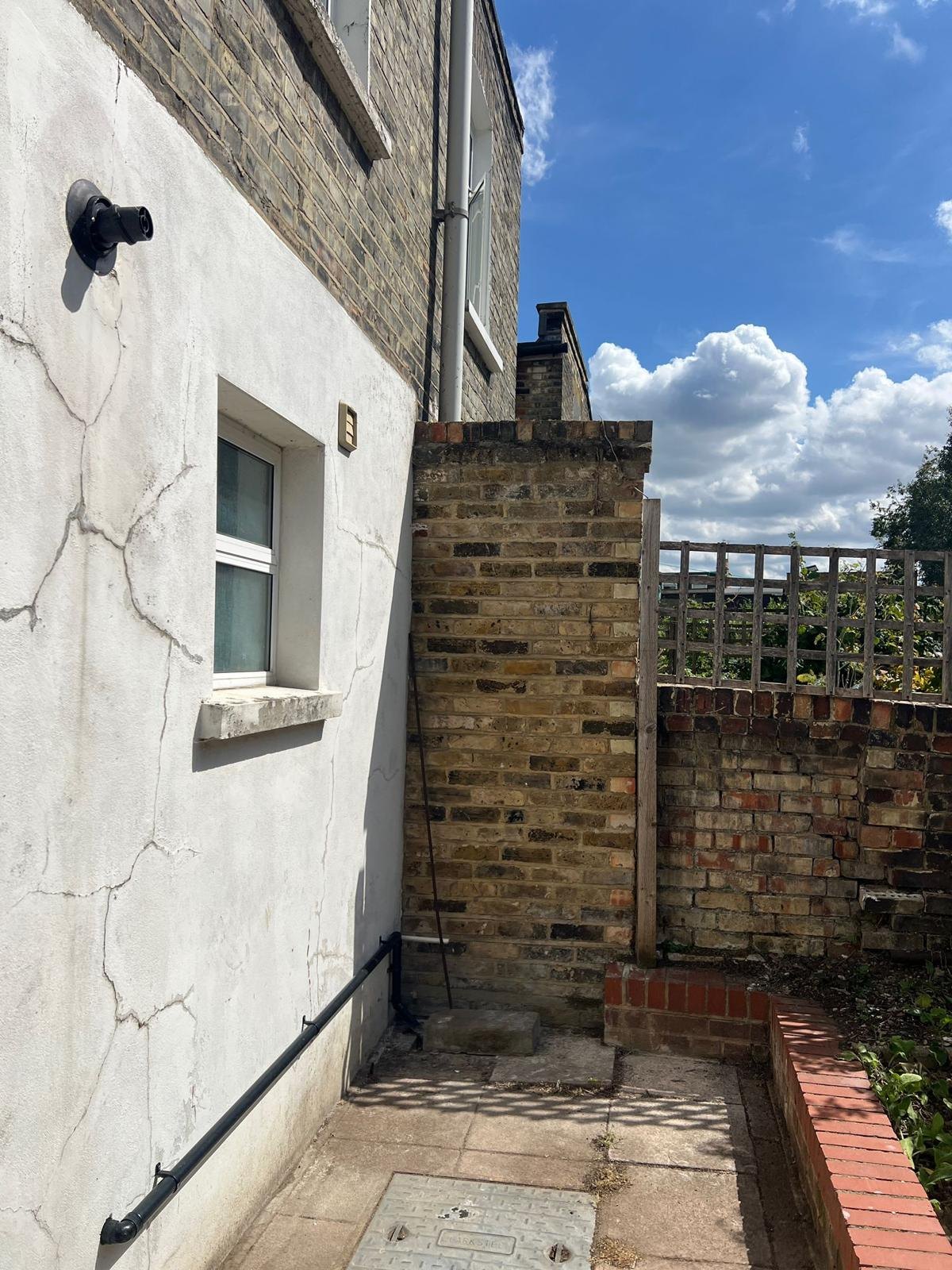
Finding a crack in a wall can be alarming, especially when you are about to buy a property. The good news is that most cracks are minor and caused by normal shrinkage or seasonal movement. However, some can indicate structural movement that needs investigation. Here is how we assess them.
How cracks are categorised
Surveyors and engineers commonly classify cracking by width, using guidance from the Building Research Establishment (BRE). As a general guide:
- Hairline to 1mm: usually cosmetic and dealt with during normal redecoration.
- 1mm to 5mm: slight; typically filled and monitored, and may need some repointing.
- 5mm to 15mm: moderate; repair work is likely and the cause should be investigated.
- Over 15mm: severe; structural repairs are likely and specialist advice is needed.
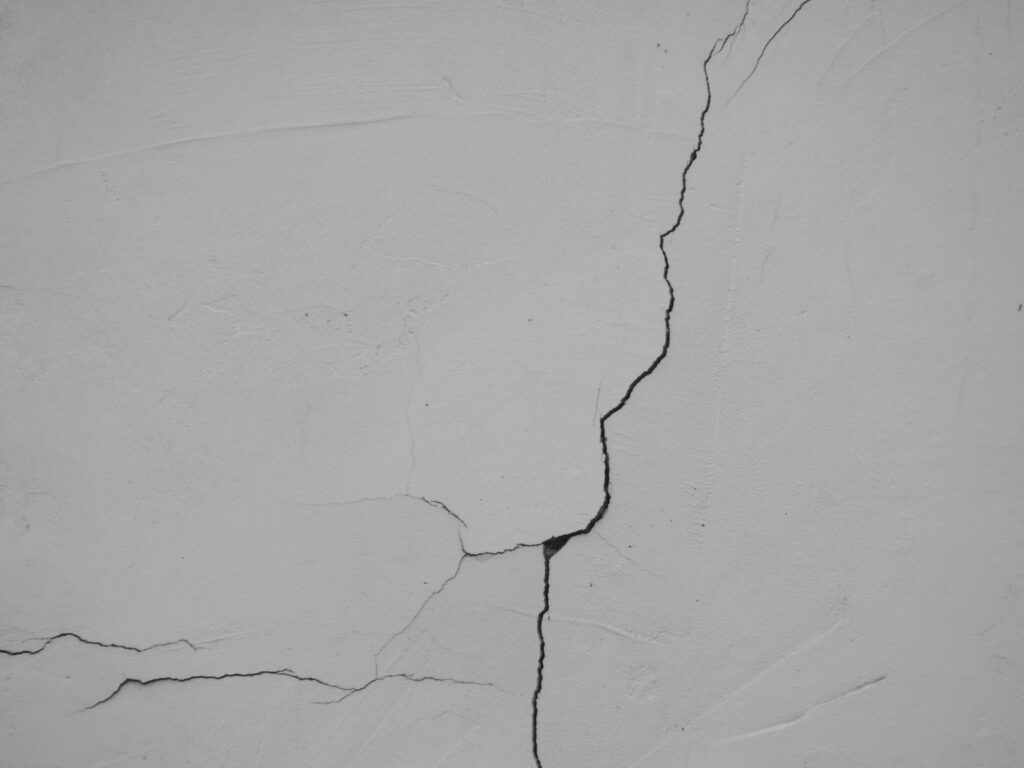
Width is only part of the picture. We also look at the shape and direction of the crack, whether it is wider at the top or bottom, whether it continues through the wall, and whether doors and windows nearby are distorted.
Common causes of movement in London homes
- Subsidence: the ground beneath the foundations moves downwards. London clay shrinks in dry weather, and trees near the building can make this worse.
- Heave: the opposite effect, where clay swells, for example after a large tree is removed.
- Settlement: normal, usually historic movement as a building beds into the ground after construction.
- Failed lintels and wall ties: corroding steel can crack brickwork above openings or cause bulging in cavity walls.
- Thermal and moisture movement: minor, often seasonal cracking where materials expand and contract.
Other signs we look for
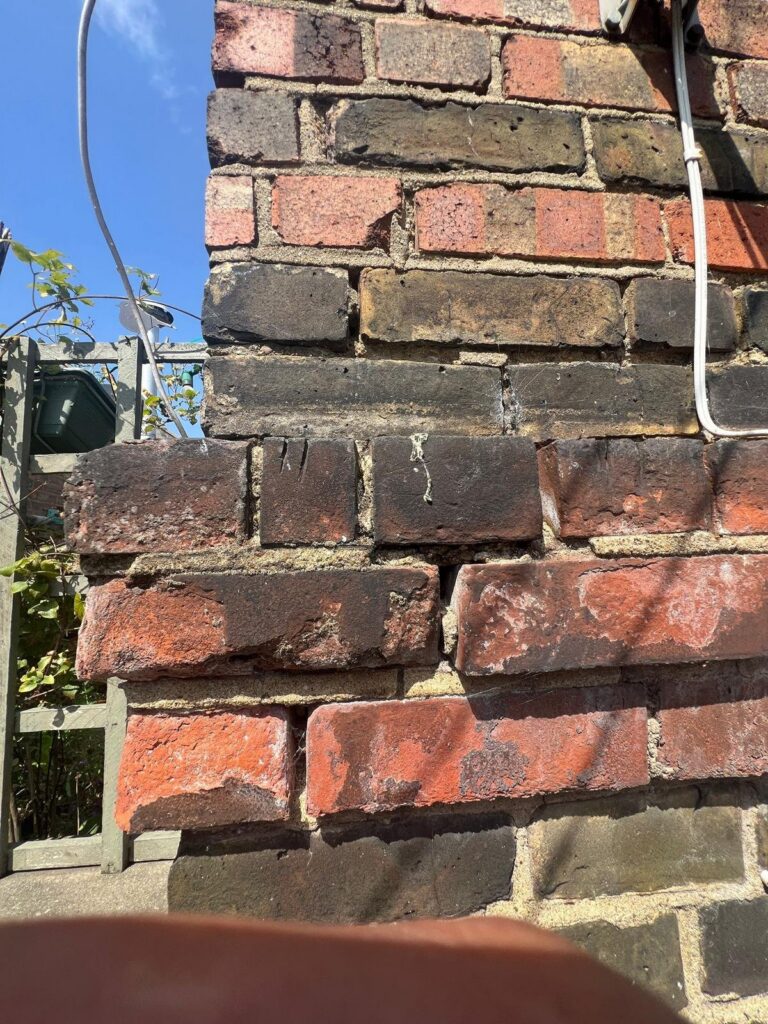
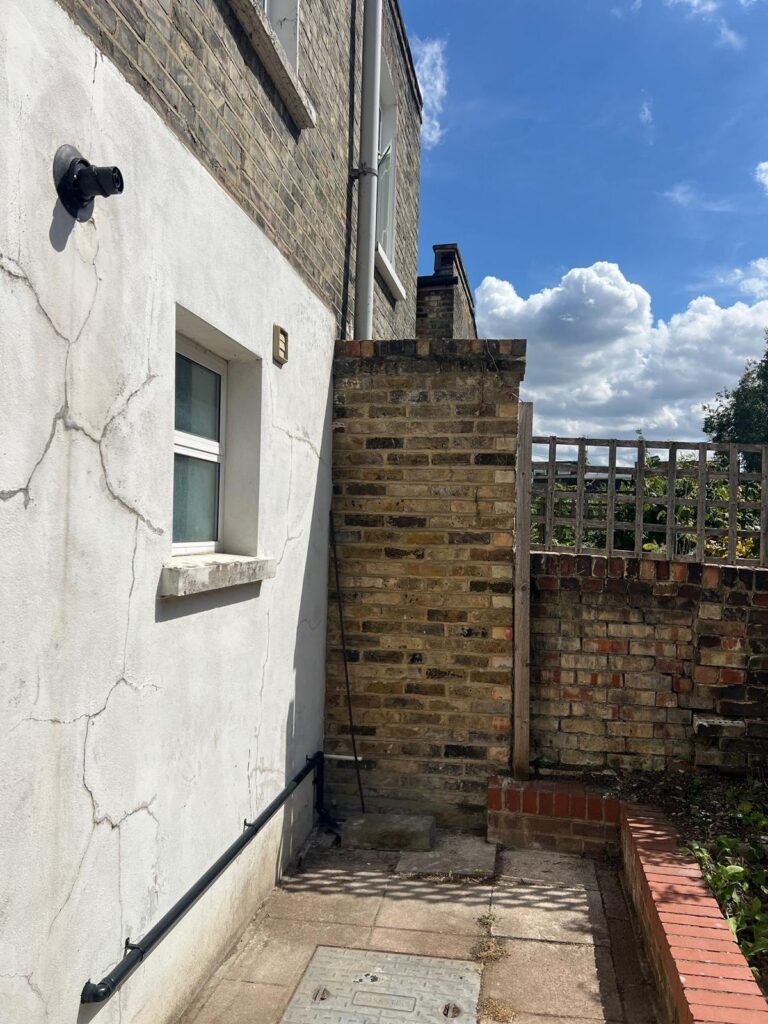
Cracking rarely happens in isolation. We check for sloping floors, doors that stick, gaps around skirtings and window frames, bulging walls, leaning chimneys and damaged rainwater goods or drains, as leaking drains are a frequent cause of localised subsidence.
When to call a structural engineer
If we see signs of active or significant movement, we will recommend a structural engineer’s inspection before you exchange contracts. They may suggest monitoring the cracks over several months, investigating the drains or foundations, or carrying out repairs such as underpinning, new lintels or replacement wall ties. Knowing this early protects you from inheriting a costly problem and gives you a strong basis for negotiation.
Need a survey? Call Out Group is a RICS Regulated Firm (No. 874632) carrying out RICS Level 2 and Level 3 surveys across London. Get an instant quote or call us on 020 8137 7200.